Children's First Steps: Equipment and Allies for New Discoveries

There are few moments in a parent's life as moving as when their child takes their first steps. These tentative movements are much more than developmental milestones; they symbolize a child's emerging independence, budding curiosity, and desire to explore the vast world around them. It is therefore essential for every parent to guide this transition with love, support, and, of course, the right tools.
The science behind first steps
Every child is unique, and the dynamics of their first steps illustrate this uniqueness. Although the majority of children make their first attempts at walking between 10 and 18 months, the entire process is a fascinating spectacle of motor evolution and neurological development.
The journey begins long before the first steps. From the first months of life, an infant explores their world by crawling, reaching for objects, or rolling over. These movements, while seemingly simple, lay the foundation for more complex motor skills. They help strengthen the back, neck, and stomach muscles, which are essential for maintaining an upright posture.
The transition to crawling is another key milestone. This form of locomotion, which most children adopt before walking, is essential for developing bilateral coordination, where both sides of the body work together in sync. It is also at this stage that children begin to develop a better grip and a sense of balance.
But the science behind these first steps doesn't stop at motor skills. There's also tremendous cognitive development taking place. As a child tries to stand up while holding onto an object, they learn concepts like cause and effect, distance, and depth.
The moment a child takes the initiative to let go, trust their legs, and take that first bold step is the result of months of development. That first step is much more than a physical movement; it's a combination of confidence, curiosity, a desire to explore, and, of course, encouragement from those around them. Ultimately, these initial steps, informed by developmental science, prepare a child not only to walk but also to embrace the world with confidence and independence.
How to choose the right shoes for a baby's first steps?
Choosing the right shoes for your baby helps ensure proper development while providing comfort and safety when it comes time for their first steps. The feet are the most stressed part of the body when a child begins to stand. From 1 to 3 years old, babies develop the muscles and bones of their feet. Choosing the right shoes is crucial for many reasons, such as reducing long-term health problems (flat feet, posture problems, back problems, etc.). Here are three crucial tips when choosing baby shoes.
It is important to know that fitting a baby with shoes is not necessary until they can walk independently, unless they go outside or the floors are too rough indoors.
First, make sure you measure the size of your baby girl's or baby boy's feet. Our little ones' feet grow very quickly at this age, with a difference of almost 1 size every 2 to 3 months. It is therefore important to measure their feet regularly to ensure they are wearing the right size. Shoes that are too big or too small can cause developmental and safety issues for your baby. For example, you can use a printable foot gauge to measure your child's foot at any time at home.
Second, prioritize flexible shoes. Babies' feet are still developing, so it's best to opt for soft baby shoes that allow a full range of motion. Stiff soles can hinder natural foot growth and lead to long-term health problems. You can easily find soft baby shoes at mapetitepointure.com .
Third, choose breathable and comfortable materials. Babies' feet sweat more than adult feet, so it's important to choose shoes made from materials that allow good air circulation. Leather and natural fabrics are good choices because they allow feet to breathe and reduce the risk of irritation.
The plush toy: The cute and reassuring companion

-
Emotional support
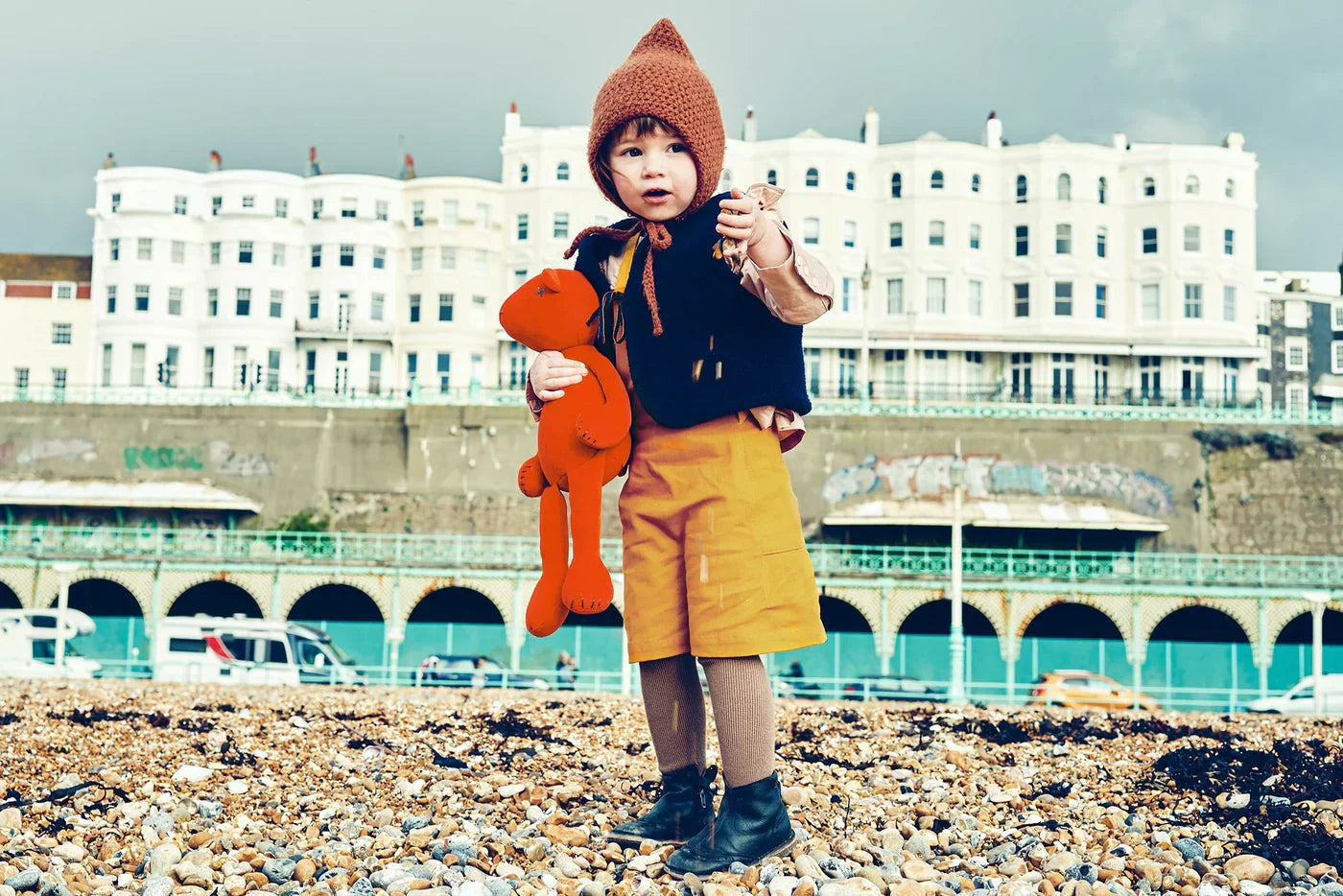
The first steps into the world can be daunting for a young child. In addition to ideally chosen shoes for physical support, the role of soft toys is crucial for their emotional well-being. Stuffed animals are much more than just toys. They become friends, confidants, and even protectors in times of uncertainty. In a new environment, such as on the first day of school, a familiar stuffed animal by their side can provide an invaluable sense of security. Their constant presence assures children that they are never truly alone, providing comfort and reassurance in times of doubt or fear.
-
Sensory stimulation and cognitive development
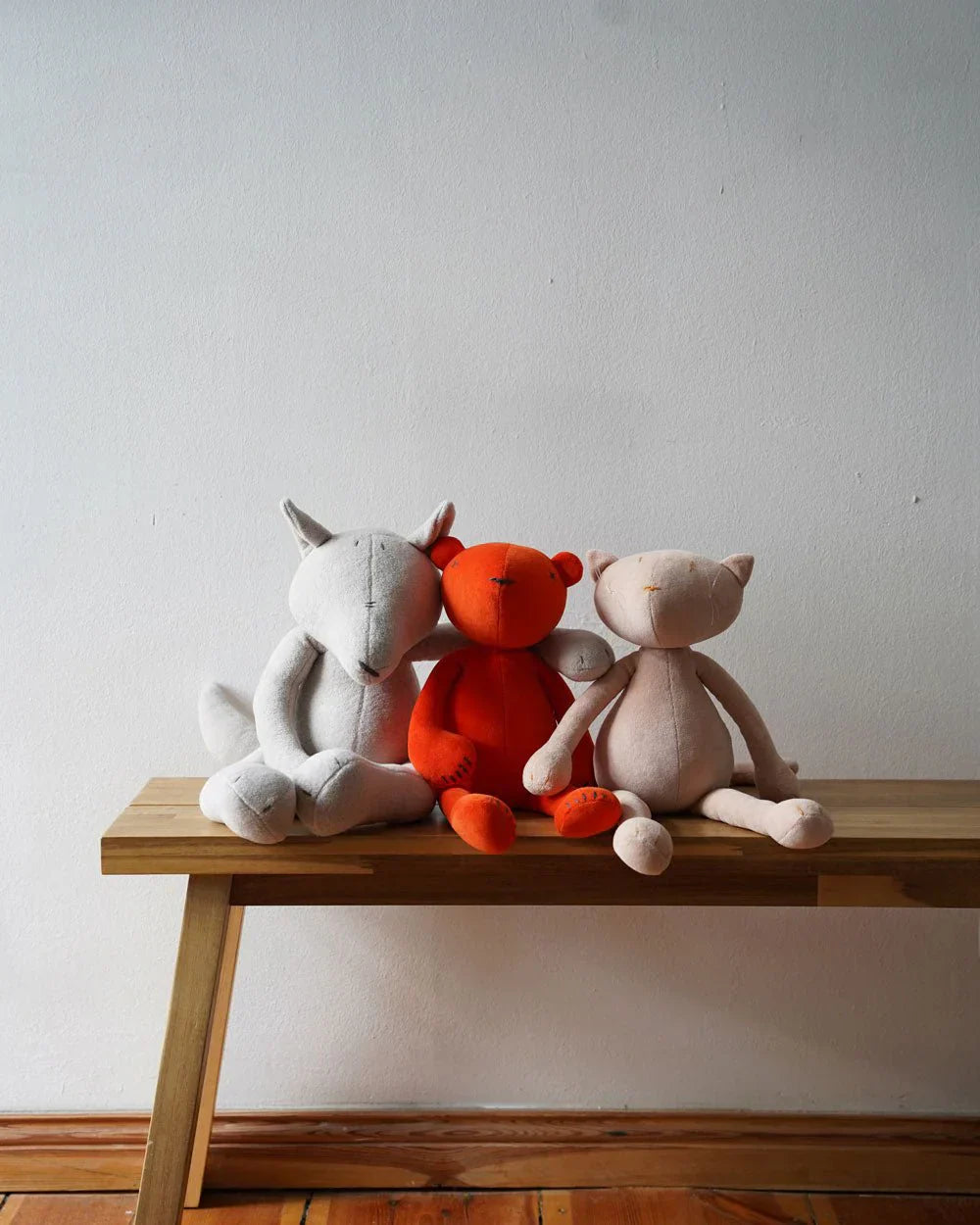
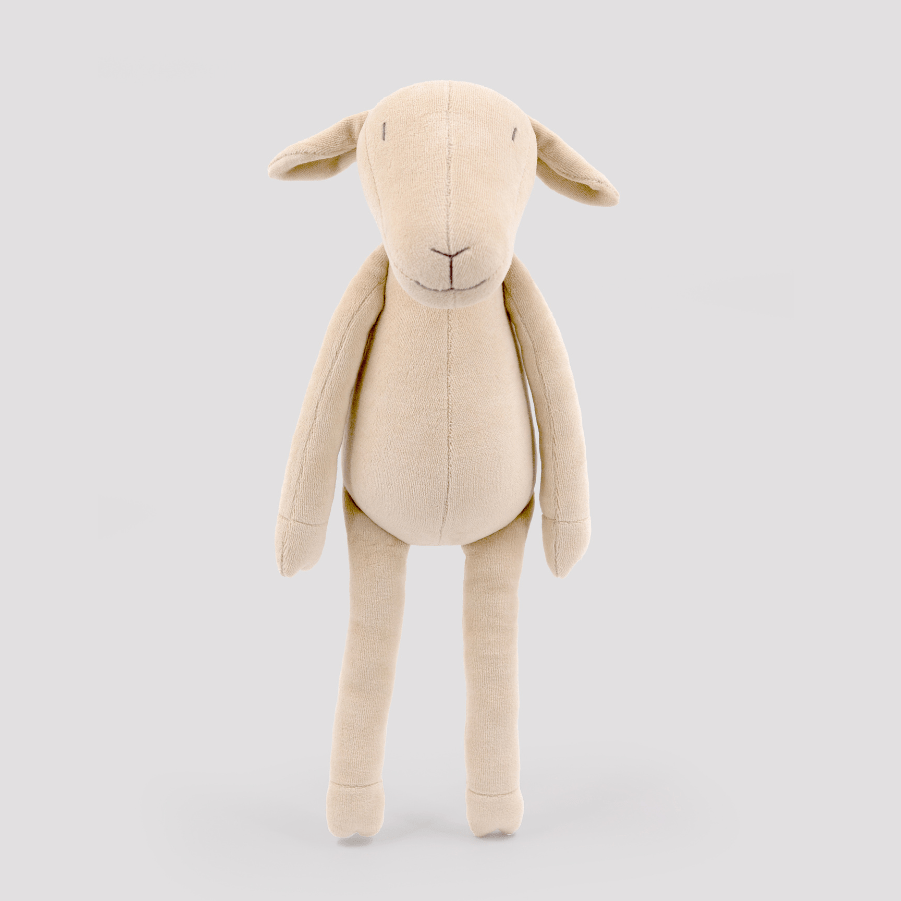
Every plush toy is a treasure trove of learning opportunities for a child. Plush toys, especially those made by Adada in France, are designed to be soft to the touch, offering a rich palette of textures and colors that awaken the senses. Children explore the world through touch, sight, and even smell. By interacting with these plush toys, they are exposed to a variety of sensory stimuli that sharpen their perception. And that's not all, because playing with these plush toys also helps develop their motor coordination, stimulate their imagination, and strengthen their sense of curiosity. These fluffy friends are true educational tools, stimulating both the child's intellect and creativity.
-
Friends for life
Childhood memories are incomplete without the faithful stuffed companions who accompanied every adventure, every dream, and every fear. Whether it's the blankie that dried every tear after a nightmare, the stuffed animal that listened to every imaginary story whispered in its ear, or the one that traveled everywhere from the playground to the corner of the bed, these fluffy companions often become lifelong friends. They are more than just toys; they bear witness to the ups and downs, joys, sorrows, and countless discoveries of childhood. As we grow up, even as new toys appear and interests change, the sentimental value of these stuffed animals only increases.
In conclusion, when choosing baby gear for their first steps, safety, quality, and comfort are paramount. However, it's equally essential to choose sustainable, ethical, and environmentally friendly products. By choosing Adada, you're not only ensuring your child's well-being, but also contributing to a greener world with our soft toys, 100% handmade in France!
Every step, every discovery, every progress in a child's life is a precious journey. As parents, guides, and protectors, it is our duty to provide the tools and support necessary to make this journey as enriching as possible. Shoes, stuffed animals, and other allies play a crucial role in this adventure.