At What Age Should You Stop Sleeping with Stuffed Animals? Maybe Much Later Than You Think
It's a question many parents—and even adults—often ask themselves: At what age should you stop sleeping with stuffed animals ? Or more precisely, at what age should a child stop sleeping with stuffed animals ?
There is no single answer, and that's perfectly normal.
The Role of Stuffed Animals in Child Development
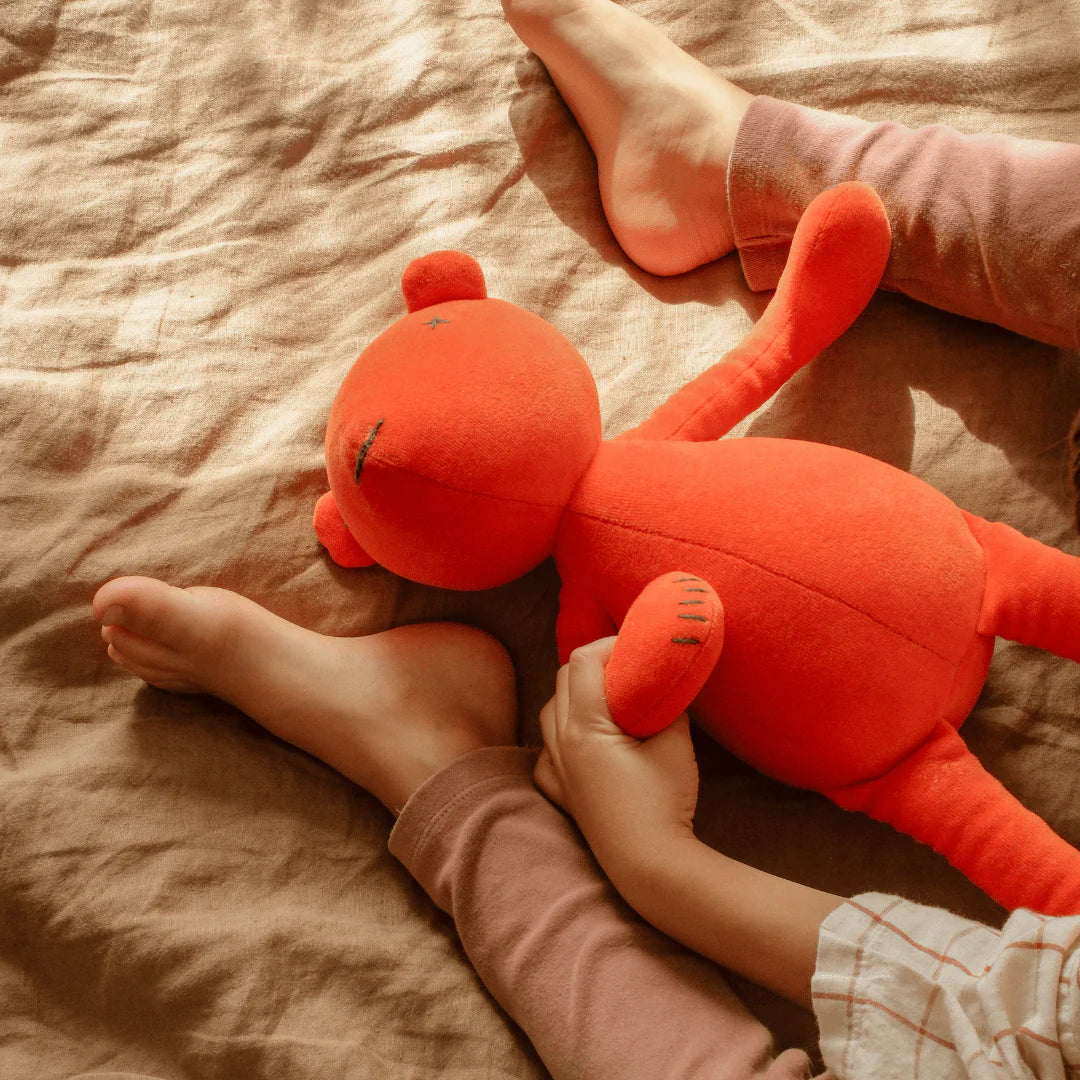
Stuffed animals provide more than just soft comfort. For children, they act as transitional objects—things that provide a sense of emotional security at bedtime, during times of stress, or during separations from parents. These plush companions help children self-soothe and manage anxiety as they develop independence.
Generally, most children begin to outgrow their stuffed animals as they grow older, especially when they start school and find new sources of comfort, such as friendships or activities. Some experts suggest that between the ages of 5 and 7, a child could begin sleeping without a stuffed animal—but this is by no means a hard and fast rule. Others may continue to need them well beyond that.
So, At What Age Should a Child Stop Sleeping With a Stuffed Animal ?
The simple answer: when it's ready.
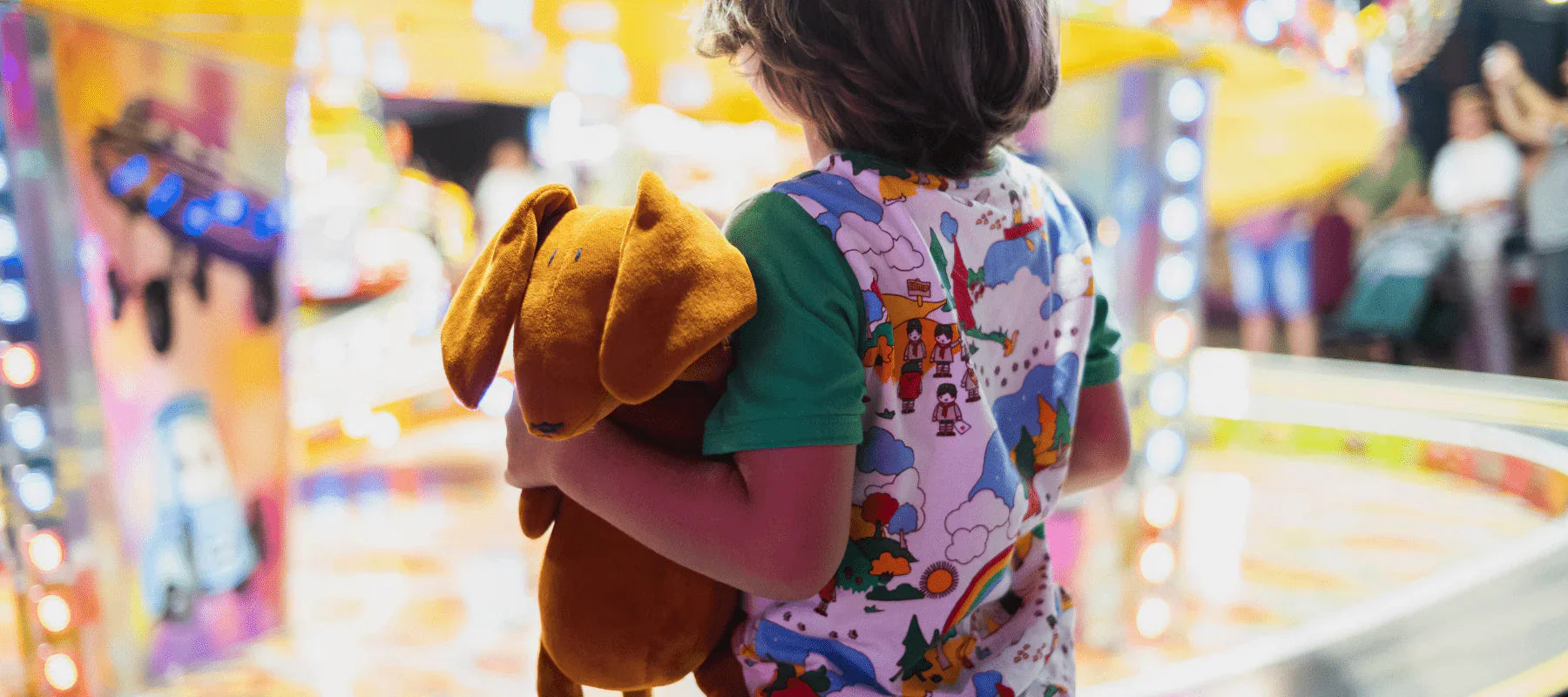
Some children naturally give up their comfort blankets in elementary school, while others will continue to sleep with them until adolescence or beyond. As long as it doesn't interfere with their development or social life, there's no harm in keeping this habit.

What about adults who still sleep with stuffed animals?
This is where social perceptions are changing—and not always in a positive way. Adults who sleep with stuffed animals are sometimes seen as immature or emotionally fragile. But it's time to break this taboo.
Studies show that many adults—especially millennials—still sleep with a stuffed toy from their childhood. For some, it's a nostalgia thing. For others, it's a way to cope with stress or loneliness. A 2022 survey found that more than 30% of adults still sleep with a stuffed toy. So it's clear it's more common than you might think.
Why It's Perfectly Acceptable to Continue Sleeping with a Stuffed Animal
The truth is, there is no expiration date on emotional comfort.
In a fast-paced and demanding world, if a stuffed animal soothes you and helps you sleep better, it's a healthy coping mechanism. Whether you're 6, 16, or 60, emotional support can take many forms, and a stuffed animal is safe—and even beneficial.
Rather than asking at what age should we stop sleeping with stuffed animals , perhaps we should instead ask: Does it make me feel better? Do I sleep better? If the answer is yes, then there is no reason to give it up.
In Conclusion
Whether you're wondering at what age a child should stop sleeping with stuffed animals , or you're an adult still clutching an old comforter, know that there's no one-size-fits-all rule. Emotional comfort is a personal matter, and there's no shame in seeking a little comfort at bedtime.
So, sleep tight, snuggle up with your favorite stuffed animal, and remember: it's your bed, your comfort, and your choice.