At What Age Do Children Start to Like Stuffed Animals?
Stuffed animals have always been comforting companions for children. Whether it's a long-eared bunny, a cuddly bear, or a quirky mouse named Hector, these soft friends often become treasured possessions in the early years of life. But at what age do babies love stuffed animals , and how does this bond develop? Let's explore when children typically begin to bond with their comforters—and how parents can encourage this emotional play.

At What Age Do Babies Like Stuffed Animals?
Most babies begin showing interest in stuffed toys between 6 and 12 months. At this age, they begin to grasp objects, explore textures, and seek comfort beyond physical contact with their parents. Stuffed toys—especially those with contrasting colors or small bells—provide both sensory stimulation and a sense of security.
That said, newborns (0–3 months) don't yet have the motor or cognitive skills to truly interact with toys. While a stuffed animal in the crib is cute, it's important to follow sleep safety guidelines: nothing soft in the crib until at least 12 months , to reduce the risk of suffocation.
At What Age Do Children Become Emotionally Attached to Stuffed Animals?
While babies enjoy exploring textures as early as 6 months, emotional attachment to a specific stuffed animal typically appears between 12 and 24 months . This is when toddlers seek out comfort objects (often called transitional objects ) to help them cope with separation from their parents or navigate new experiences.
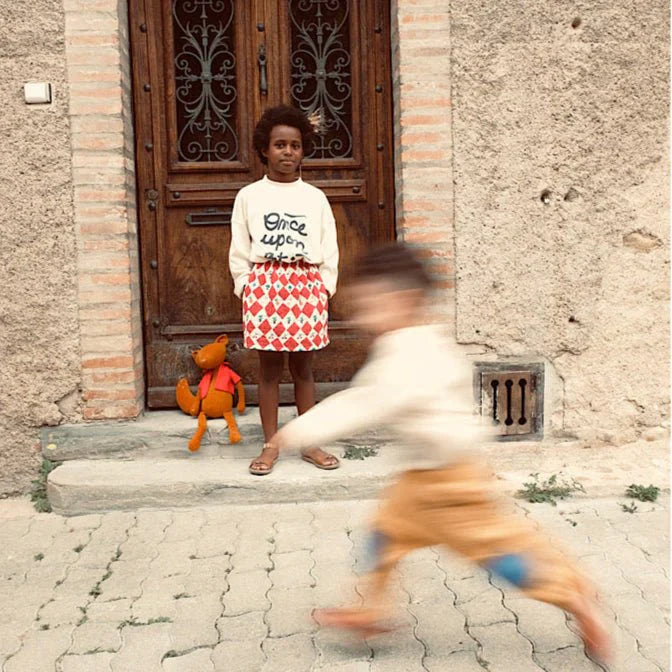
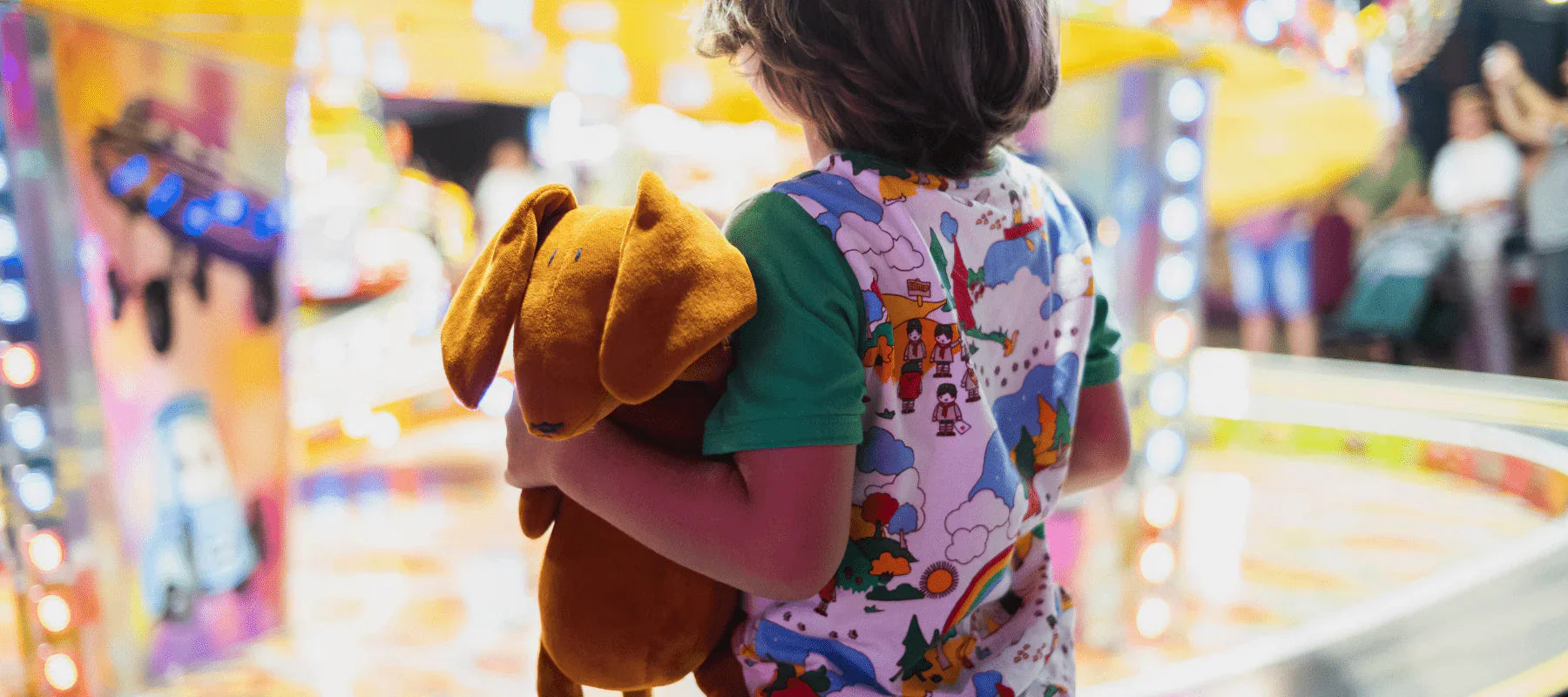
By age 2 or 3, many children have a favorite stuffed animal they sleep with, talk to, and take everywhere—they may even give it a name and personality. This bond isn't just endearing; it's also essential for emotional development and imagination .
How Parents Can Encourage Play and Attachment
Here are some tips to support a child's natural attachment to their stuffed animal:
1. Offer stuffed animals at the right time
Introduce stuffed animals around 6 months—but outside the crib at first. Let your baby explore them during supervised playtime.
2. Make appropriate choices
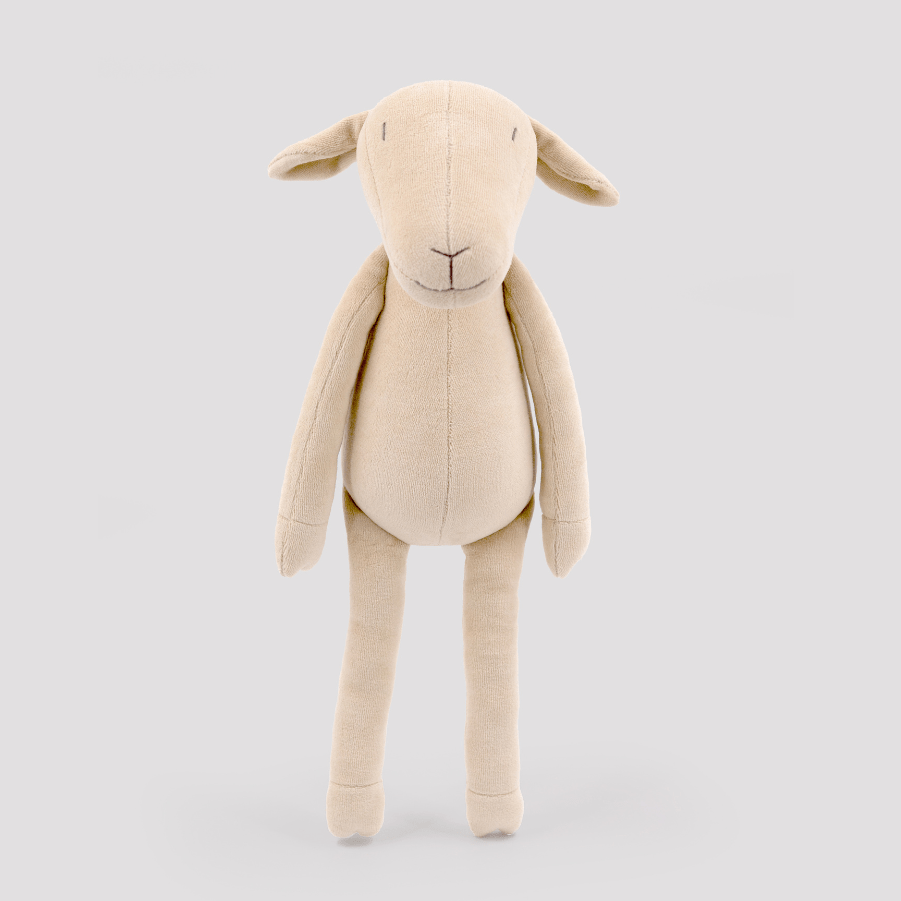
Choose safe, high-quality materials. Avoid buttons or small parts, and opt for washable, hypoallergenic fabrics.
3. Observe preferences
See which stuffed animal your child spontaneously gravitates toward. They often choose their favorite on their own—and once the connection is there, they become part of the routine.
4. Encourage imaginative play
Around the age of 2 or 3, your child begins to play pretend with their stuffed animal. You can help them by acting out scenes like feeding their stuffed animal, putting them to bed, or talking to them like a character.
5. Respect attachment
If your child becomes attached to a stuffed animal, nurture this relationship. It provides comfort and emotional stability, and helps them navigate certain milestones like sleeping alone or starting daycare.

In Conclusion
At what age do children like stuffed animals? Babies begin to show interest in them between 6 and 12 months , but it is generally between 12 and 24 months that a real emotional bond is formed. Much more than just toys, stuffed animals accompany children in their emotional development, independence, and imagination.
At Adada, we believe that a beautiful, well-designed plush toy is a true lifelong companion. Discover our collection of artist-designed animals to find the perfect companion for your child.