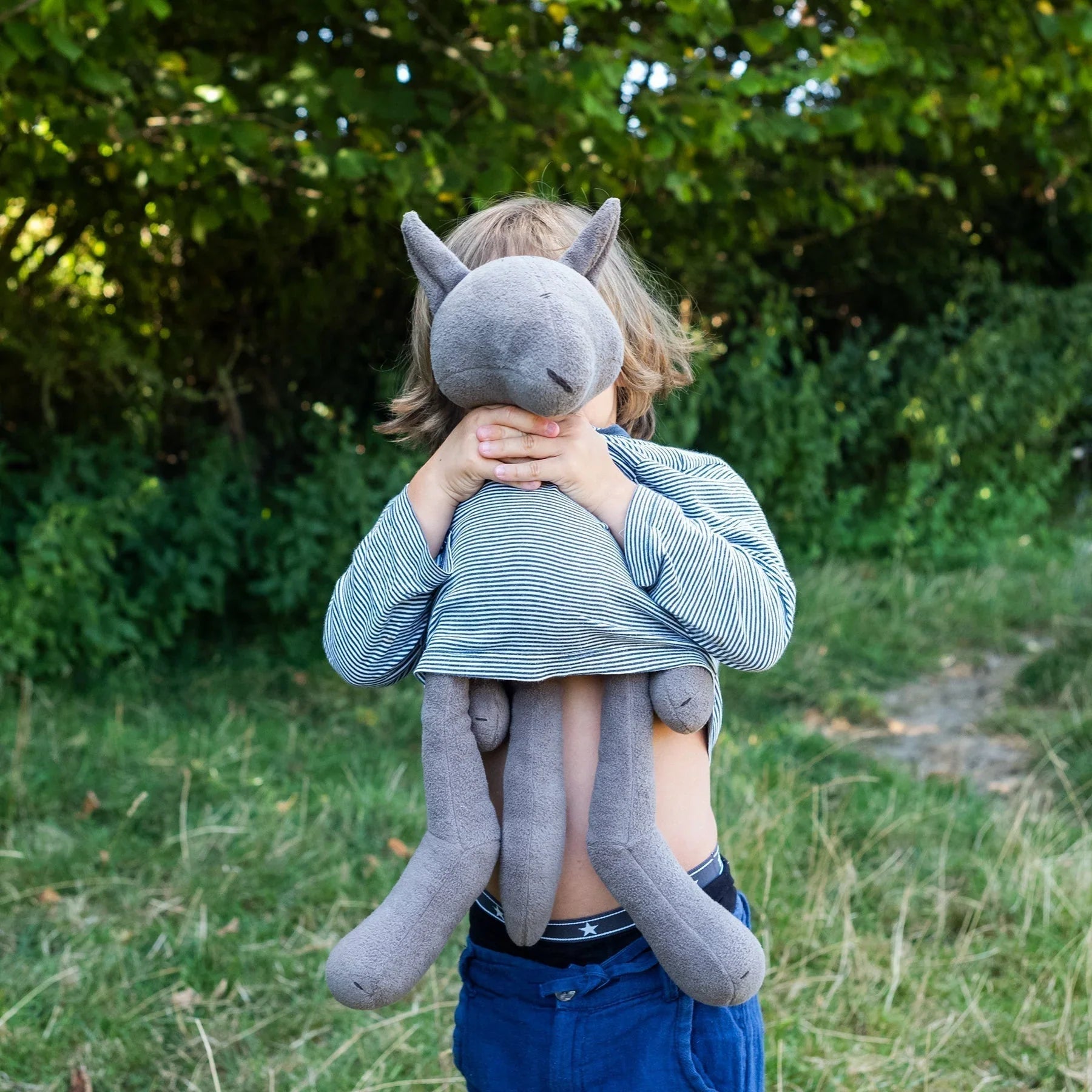
At What Age Do Children Stop Playing with Stuffed Animals? Understanding Children's Changing Preferences
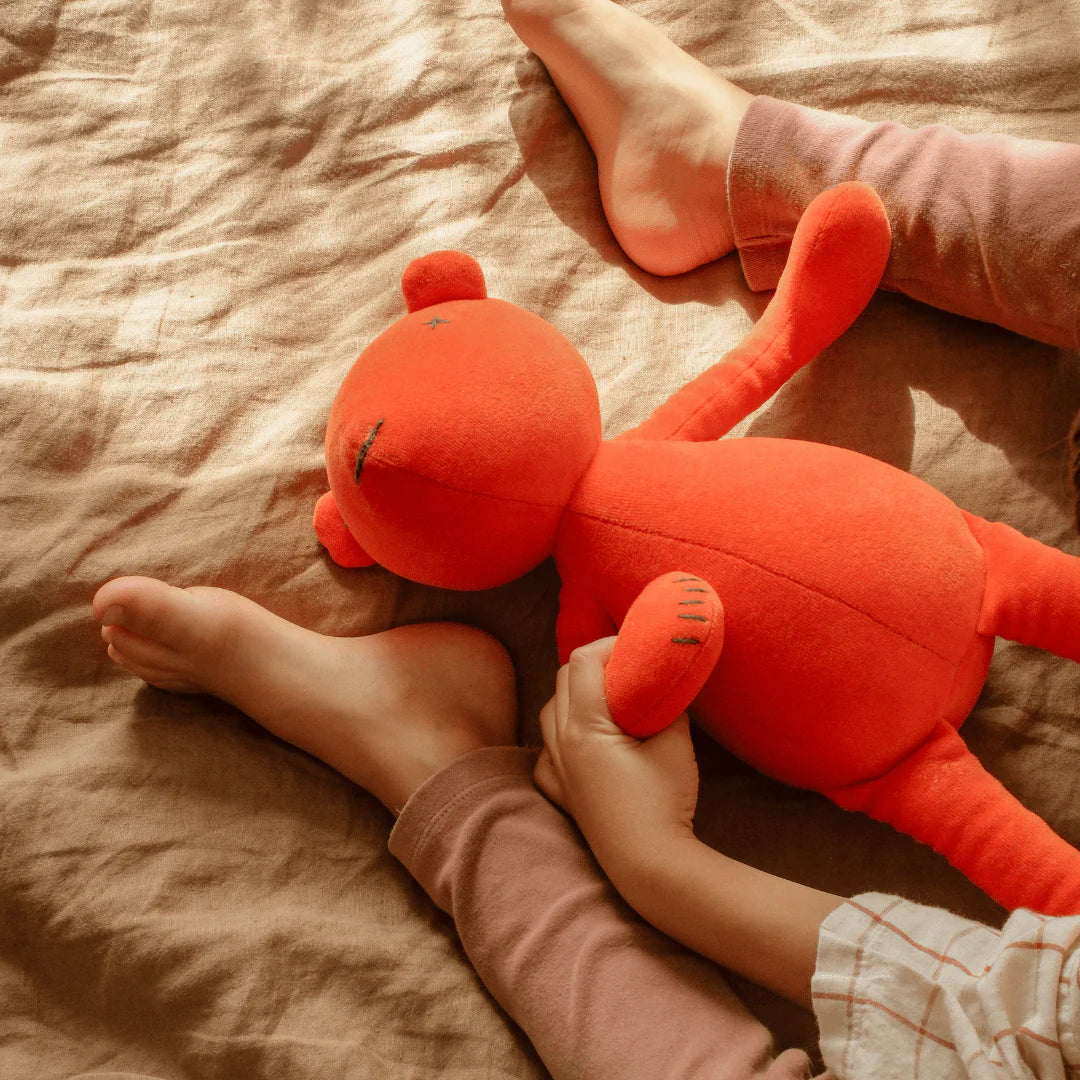
Stuffed animals have long been treasured companions for children, providing comfort, imaginative play, and emotional support. But many parents wonder: at what age do children stop playing with stuffed animals ?
The truth is, there's no one-size-fits-all answer. Children develop at different rates, and their interests evolve in different ways. While some children begin to outgrow their stuffed toys as early as elementary school, others may continue to enjoy them well into their teens and beyond. In this article, we'll explore how children's preferences change over time and why it's perfectly normal for every child to follow their own unique pace—boys included.

At What Age Do Children Stop Playing with Stuffed Animals ?
On average, children begin to show less interest in stuffed animals between the ages of 6 and 10. This transition typically occurs when they become more attracted to social interactions, structured activities, screens, or more complex toys like action figures, games, or sports equipment.
However, at what age do children stop playing with stuffed animals is not a fixed milestone. Some children keep a favorite cuddly toy close to them long after they have stopped actively playing with it. In fact, many adults still hold onto a childhood stuffed animal as a keepsake or source of comfort.
At What Age Should a Boy Stop Playing with Stuffed Animals?
This question reflects gender stereotypes more than developmental realities. At what age should a boy stop playing with stuffed animals? The answer is the same as for any child: when he's ready. Boys, like girls, can derive many emotional and affective benefits from their stuffed animals.
Rather than asking what is "normal," it's better to ask: Is my child happy? Are they developing well socially, emotionally, and cognitively? If the answer is yes, then there's no reason to worry if they keep their stuffed animals longer than others.
The Natural Evolution of Children's Interests
Children's play preferences naturally evolve with age. Here's a general idea of this progression:
-
Early Childhood (1 to 3 years): Stuffed animals are sources of comfort and symbolic play. They help to calm and reassure.
-
Preschool (3-5 years): Stuffed animals become characters in more elaborate stories and games. Emotional attachment can become strong.
-
Early elementary school (6 to 8 years): Some children begin to show interest in other types of toys, but continue to sleep with their stuffed animals or talk to them.
-
Preadolescence (9 to 12 years): Interest often turns to social relationships, technology, or extracurricular activities. Stuffed animals become more symbolic.
-
Adolescence and beyond: Even if active play stops, many teens keep a stuffed animal on their bed or shelf. It represents comfort, nostalgia, or identity.

Every Child Has Their Own Rhythm
Ultimately, at what age children stop playing with stuffed animals matters less than recognizing that every child develops at their own pace. Some will lose interest quickly, while others will keep their stuffed animals for years—both are normal.
Encouraging children to freely explore their interests without judgment—whether it's cars, dolls, video games, or stuffed animals—helps them develop confidence and emotional well-being. Rather than focusing on what they "should" outgrow, let's support them on their own journey.
In Conclusion
If you're wondering at what age do children stop playing with stuffed animals , remember that there is no hard and fast rule. Let your child develop at their own pace, and know that their path is the right one for them.
And you? Have your children given up on their stuffed animals or do they still treasure them? Share your experience in the comments!