10 reasons to give a child a stuffed animal
Stuffed animals are often the first toy a child receives and hold a special place in their hearts. These cuddly companions are more than just objects; they play a vital role in children's emotional, cognitive, and social development. In this article, we'll explore why stuffed animals are so important to children.
1. A sense of security
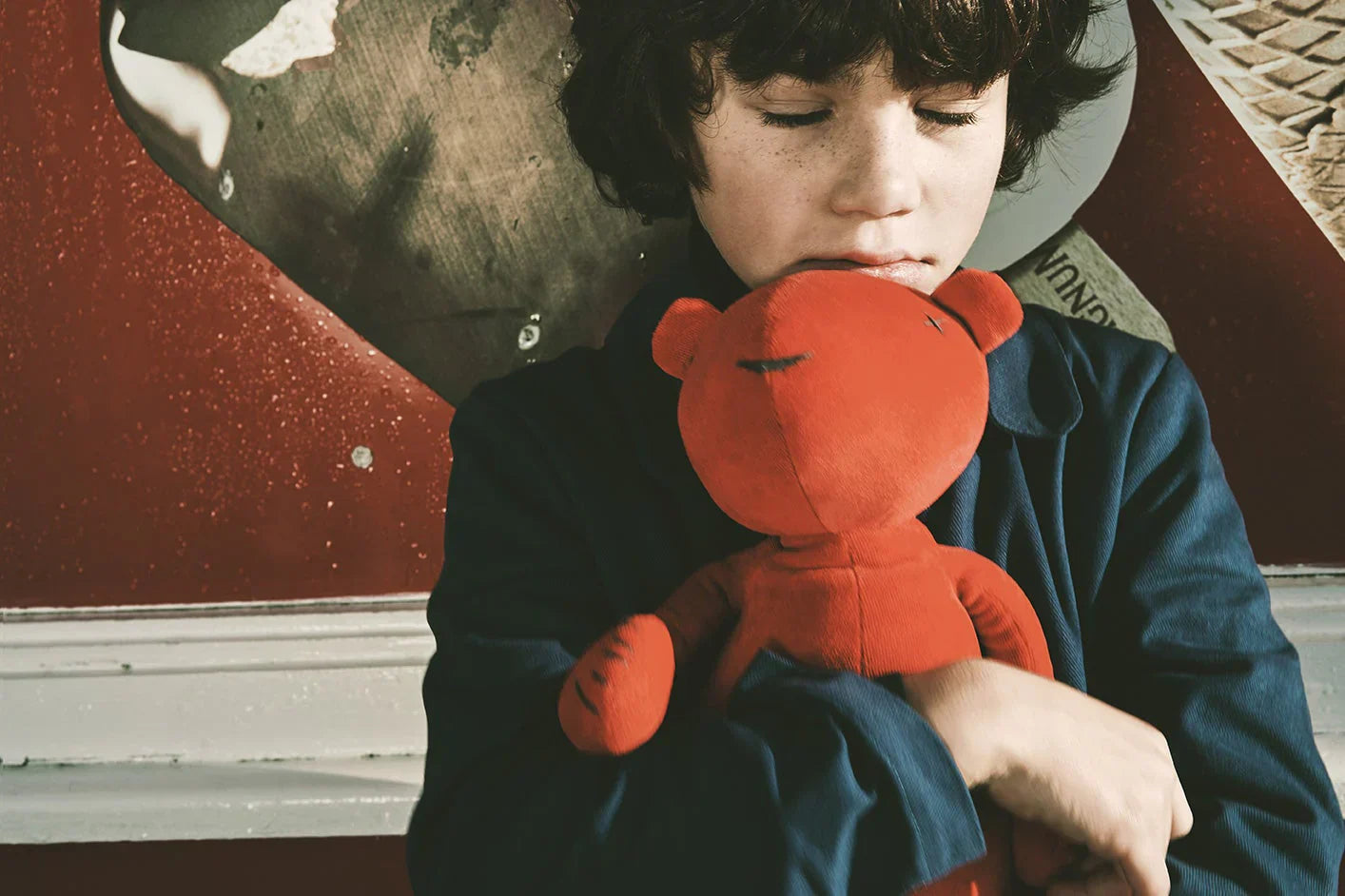
Stuffed animals provide a sense of security and comfort for children. Holding a stuffed animal can help relieve anxiety, fear, and uncertainty. In stressful situations, such as doctor visits or the first few nights away from home, a familiar stuffed animal can provide essential emotional support.
2. The development of socio-emotional skills
Stuffed animals help children express and understand their emotions. Children often identify with their stuffed animals and attribute emotions and feelings to them. By interacting with their stuffed animals, children learn to express their own emotions and understand those of others. Stuffed animals can also serve as a tool for developing empathy and compassion for others.

3. Stimulate imagination and creativity
Stuffed animals encourage children to let their imagination and creativity run wild. By playing with their stuffed animals, children create stories, imaginary worlds, and adventures where they can explore their creativity. This ability to imagine scenarios and solve problems is essential for cognitive development.
4. Promote independence and decision-making
Stuffed animals give children the opportunity to make decisions and develop their independence. By caring for their stuffed animal, children learn to take responsibility and make choices. For example, they decide when their stuffed animal should sleep, eat, or rest. This decision-making prepares them to make more important decisions later in life.
5. Develop communication skills
Stuffed animals can help children develop their communication skills. Children often talk to their stuffed animals, and in doing so, they learn to express themselves and use language. Additionally, stuffed animals can serve as conversational companions for children learning a new language, helping them practice and strengthen their language skills.
6. The role of stuffed animals in transition and adaptation
Stuffed animals also play an important role in times of transition and adjustment in a child's life. When they face changes, such as starting school, moving to a new home, or the arrival of a new family member, children can find comfort and stability by connecting with their stuffed animal. This constant presence helps them better manage changes and adapt to their new situation.
7. Stuffed Animals and Attachment Formation
Stuffed animals can also play a role in forming attachment bonds between children and the people around them. By bonding with a stuffed animal, children learn to build trusting and loving relationships with others. Furthermore, the attachment bond with a stuffed animal can serve as a model for forming healthy relationships with others throughout life.
8. Stuffed Animals and Separation Management
Stuffed animals are often used to help children cope with separation from their parents or loved ones. In these difficult times, the stuffed animal can become a symbol of comfort and continuity, reassuring the child that they are loved and safe despite the distance between them and their loved one.
9. Stuffed animals and the development of emotional autonomy
Stuffed animals also help children develop emotional independence. By caring for their stuffed animal, children learn to manage their emotions and comfort themselves. This ability to self-soothe is crucial for their emotional well-being and self-confidence as they grow.
10. Stuffed animals and education for social life
Finally, stuffed animals can serve as an educational tool to teach children important values and social norms. For example, parents can use stuffed animals to teach children about politeness, sharing, patience, and kindness towards others. Stuffed animals can also be used to address more complex topics, such as diversity and inclusion, by introducing characters from different cultures and backgrounds.
In short, stuffed animals are much more than just a toy for children. They are a valuable tool that helps them grow and develop in a healthy and balanced way. Stuffed animals provide a sense of security, stimulate imagination and creativity, and promote independence and decision-making. Discover our range of ethical stuffed animals for your child now!