How Stuffed Animals Help You Sleep: Comfort at Any Age
When we think of stuffed animals, we often imagine childhood memories—fluffy teddy bears, big-eared bunnies, and blankets tucked under our arms at bedtime. But the comfort provided by stuffed animals isn't just for children. More and more adults are rediscovering the benefits of these cuddly companions for improving sleep quality. So, do stuffed animals help you sleep better ? The answer is a resounding yes—and it's backed up by science and psychology.
Why Do We Sleep with Stuffed Animals?
Ultimately, why do we sleep with stuffed animals ? The reasons are as universal as they are deeply rooted in our emotional and psychological needs. Stuffed animals offer a unique blend of physical comfort and emotional security. The simple act of holding something soft and familiar sends a signal of safety to the brain, reducing anxiety and promoting relaxation—an ideal combination for falling asleep faster and sleeping better.
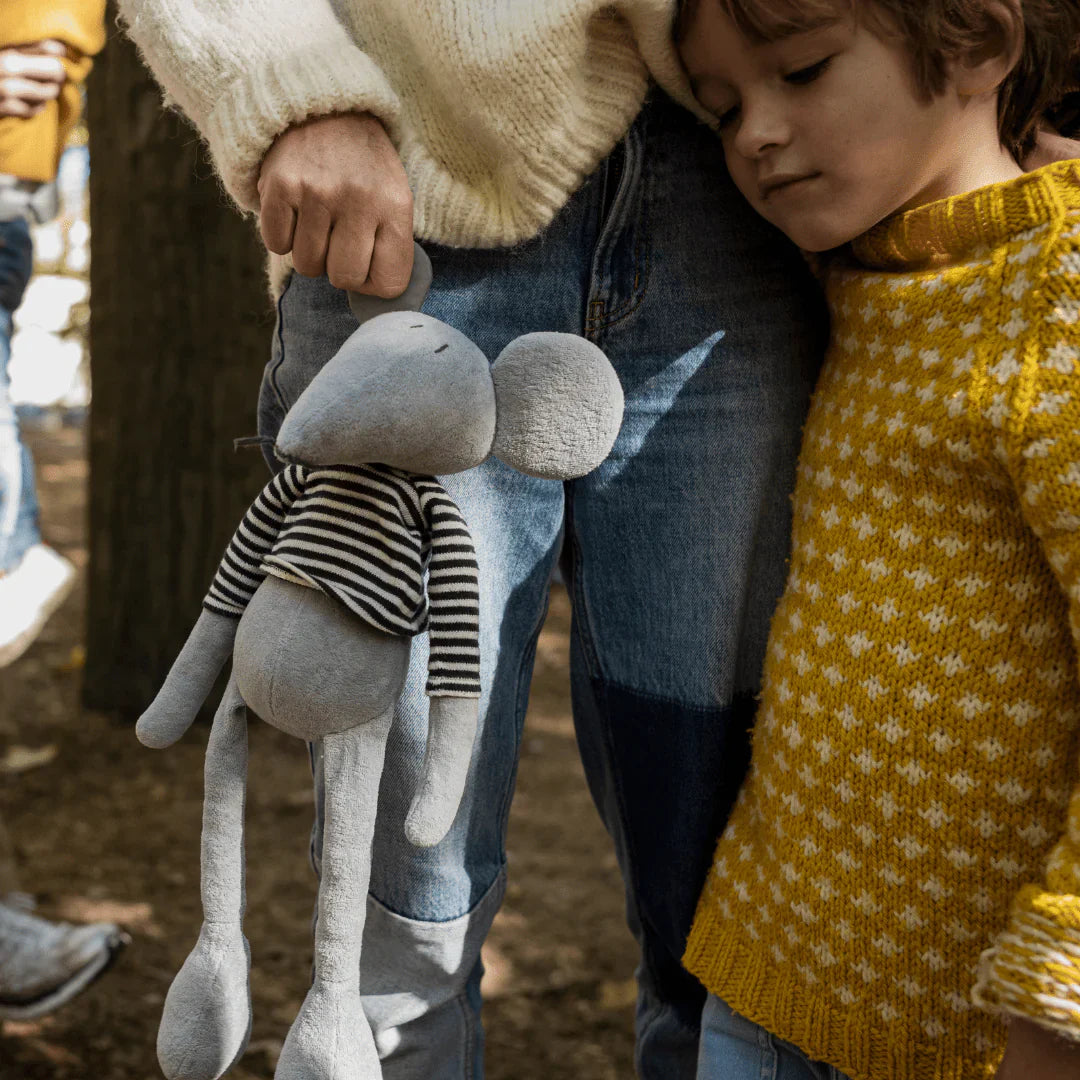
For children, this sense of security is essential during a developmental period when the world can seem vast and uncertain. But even as adults, stress, loneliness, or emotional difficulties can disrupt our sleep. Stuffed animals then play a soothing role—not as childhood mementos, but as true allies for our well-being.

The Science of Gentleness and Sleep
You may be wondering: Do stuffed animals really help you sleep better ? Research on sleep and comfort shows that touch plays a major role in regulating the nervous system. Just like weighted blankets, cuddling a stuffed animal stimulates the production of oxytocin, the “love hormone,” which lowers cortisol (the stress hormone) and promotes calmness and relaxation.
In other words, having a comforting object around you at night helps create a calming routine that signals to your body that it's time to sleep. This physical habit, combined with emotional calming, can significantly improve sleep quality.
Not Just for Kids: Adults and Emotional Comfort
A common misconception is that sleeping with a stuffed animal is a habit we're supposed to "grow out of." In reality, many adults—especially those dealing with anxiety, trauma, or loneliness—find great comfort in the presence of a soft, familiar object. Whether it's a childhood keepsake, a cherished gift, or a newly chosen bedtime companion, these toys can become a valuable part of our wellness routine.
In fact, some therapists recommend stuffed animals to adult patients suffering from post-traumatic stress disorder or grief. Their reassuring presence helps soothe strong emotions that often disrupt sleep.

How to Choose Your Plush Sleep Companion
If you're tempted to incorporate a stuffed animal into your bedtime routine, here are some tips:
-
Choose softness : choose a plush toy that is pleasant to the touch and easy to cuddle.
-
Adapt the size : choose a format that fits easily into your sleeping space.
-
Choose with your heart : whether it's your favorite animal or a symbolic object, emotional attachment reinforces its calming effect.

In Conclusion: Comfort Is Human
So why do we sleep with stuffed animals ? Because we're human. Because comfort, security, and the need for an emotional anchor aren't childish—they're essential. Whether you're five or fifty, a stuffed animal by your side can be a gentle and reassuring ally, for more peaceful nights.
If you've ever wondered if stuffed animals help you sleep better , now you have the answer: absolutely. They're not just toys—they're silent companions, softening our nights and making our dreams a little sweeter.