At What Age Can Babies Sleep with Stuffed Animals? A Parent's Guide
At What Age Can Babies Sleep with Stuffed Animals? A Parent's Guide
Stuffed animals are often a source of comfort and an adorable addition to a child's sleep routine. But for new parents, knowing at what age babies can sleep with stuffed animals is a key safety issue. While that teddy bear may seem harmless, there are real risks to introducing soft objects into a baby's crib too early.
In this article, we'll look at what age babies can sleep with stuffed animals , safety recommendations from pediatric experts, and best practices for providing a sleep environment that's both reassuring and safe.
At What Age Can Babies Sleep with Stuffed Animals?
According to the American Academy of Pediatrics (AAP) , babies shouldn't sleep with soft objects—including stuffed animals, pillows, or loose blankets—until they are at least 12 months old . In fact, many experts advise waiting until 18 months , especially if the child still moves around a lot during sleep.
This recommendation aims to prevent Sudden Infant Death Syndrome (SIDS) and other sleep-related hazards. Soft objects in the crib can obstruct the baby's airway or cause overheating—two major risk factors for SIDS.
What Age for Stuffed Animals in Bed?
While stuffed animals are safe for supervised play from an early age, the question of what age to put stuffed animals in bed specifically concerns unsupervised sleep. Here's a summary:
-
0–12 months: No stuffed animals in the crib—even small ones. The crib should remain completely empty, except for a well-fitting fitted sheet.
-
12–18 months: You may consider introducing a lightweight, breathable soft toy if your baby finds comfort in it—but only if there's no risk of them rolling into it and getting stuck.
-
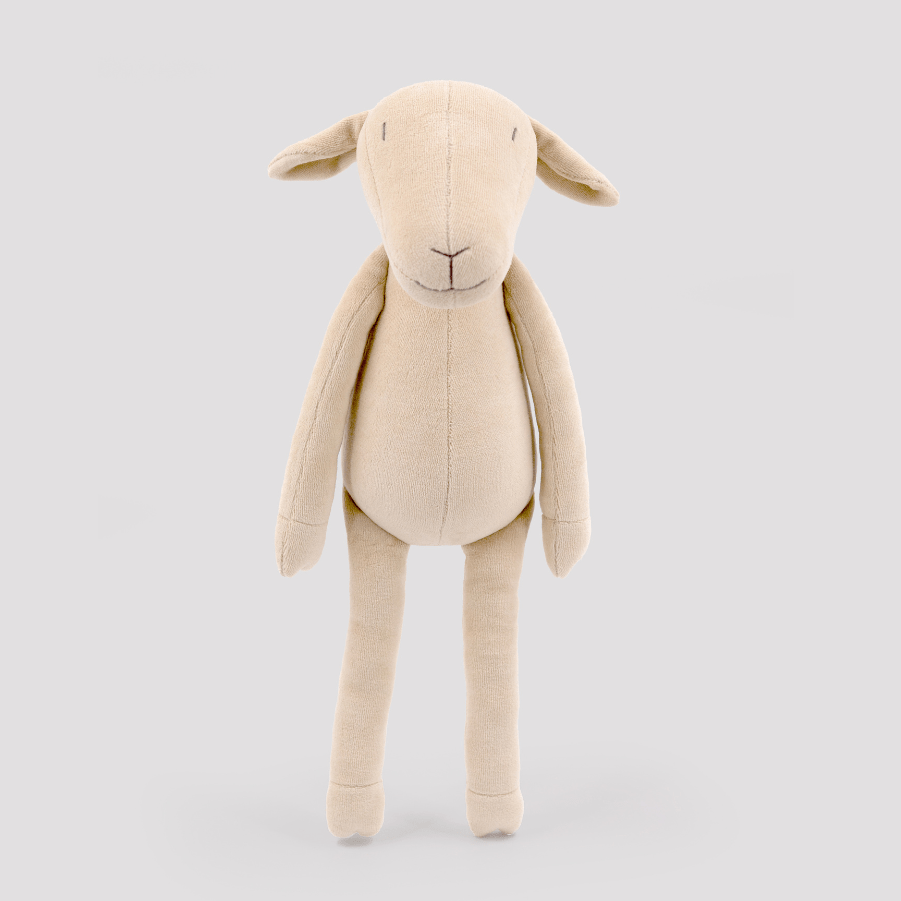
18 months and older: It's generally safe to let a toddler sleep with a small stuffed animal. Choose one without removable parts (like buttons or plastic eyes), machine washable, and safe for choking.

Safety Recommendations for Stuffed Animals in Bed
If you're considering introducing a stuffed animal into your baby's sleep routine, follow these tips:
-
Wait until the right age: Wait until your child is at least 12 months old, ideally 18 months old.
-
Make a good choice: Avoid stuffed animals with:
-
Detachable parts (buttons, ribbons, plastic eyes)
-
Long strings or accessories
-
Loose padding or fragile materials
-
-
Choose a small size: Choose a small, lightweight plush toy that won't suffocate your baby if they roll over on it.
-
Keep it clean: Wash the plush toy regularly to prevent the accumulation of dust and allergens.
-
Monitor sleep behavior: If your baby moves a lot during the night, wait a little longer before adding soft objects to the crib.
Best Practices for Using Plush Toys
-
Introduce them during waking moments: Let your baby play with the plush during supervised times or when they are in your arms.
-
Create a positive association: The stuffed animal can become a comfort object or part of the bedtime ritual—as long as it stays out of the bed until it's safe to do so.
-
Plan for spare stuffed animals: Have several favorite stuffed animals so you can easily replace one if it gets lost or needs washing.

In Conclusion
While it may be tempting to give your baby a stuffed animal for the night right from the start, their safety should come first. Following the guidelines for when babies can sleep with stuffed animals helps reduce risks and ensure a peaceful night's sleep.
Once your child is old enough, a favorite stuffed animal can become a treasured nighttime companion and an integral part of their bedtime routine for a long time. But remember: safety first, cuddles second!